
We are registered with the Department of Higher Education and Training under the Continuing Education and Training Act No. 16 of 2006. DHET Centre Number: 899994812. Further accredited by the Quality Council for Trades and Occupations (QCTO) Accreditation Number: 07-QCTO/SDP110722.
Accredited with CETA ACCREDITATION NO: ACC/23/07/00015 and TETA ACCREDITATION NO: TETA 22-1553 under the Skills Development Act, 97 of 1998. Company Registration Number: 2013/224763/07.
HIV/AIDS Awareness Training
Unit Standard Number: 13915
Unit Standard Credits: 4
NQF Level: 3
Course Duration: 1 Day
Course Fee: R 2,300 per person
Upon successful completion of the course, learners will receive a certificate.
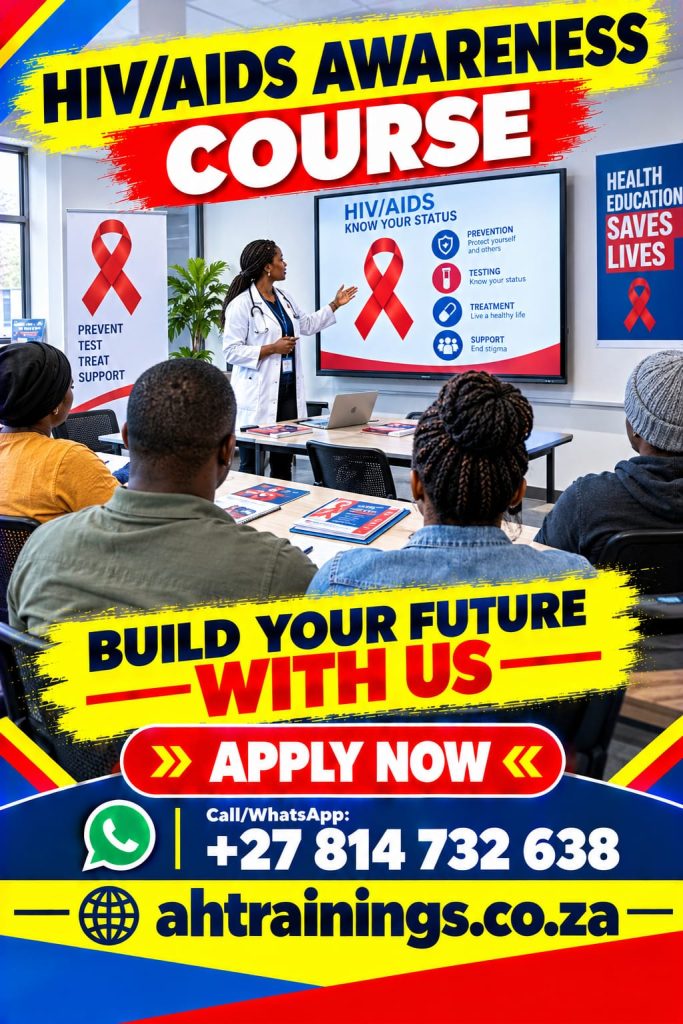
Our HIV/AIDS Awareness training introduces learners to HIV and AIDS, how the virus is transmitted, methods of prevention and the importance of testing and treatment. The course promotes accurate health knowledge, responsible behaviour and a supportive environment for people living with HIV. It is suitable for employees, supervisors and individuals who want to improve their understanding of HIV/AIDS awareness in the workplace and community.
1. How much does HIV/AIDS Awareness training cost?
Our HIV/AIDS Awareness course costs R2,300 per person and takes 1 day to complete. The training covers HIV fundamentals, transmission, prevention, testing, treatment, workplace awareness and reducing stigma and discrimination.
2. What is HIV/AIDS Awareness training?
HIV/AIDS Awareness training provides information about the Human Immunodeficiency Virus (HIV) and Acquired Immunodeficiency Syndrome (AIDS). It helps learners understand how HIV affects the immune system, how the virus is transmitted and how people can protect themselves and others.
The course also addresses common misconceptions, encourages responsible health decisions and promotes respect for people living with HIV.
3. What is the difference between HIV and AIDS?
HIV is a virus that attacks the body’s immune system, particularly CD4 cells that help the body fight infections. Without effective treatment, HIV can progressively weaken the immune system.
AIDS is the most advanced stage of HIV infection. It occurs when the immune system becomes severely damaged or certain serious illnesses develop.
HIV and AIDS are not the same. With effective antiretroviral treatment, people living with HIV can remain healthy and prevent the progression to AIDS.
4. How is HIV transmitted?
HIV is transmitted when certain infected body fluids enter another person’s bloodstream or come into contact with susceptible mucous membranes or damaged tissue.
The main routes of transmission include:
Unprotected sexual contact with someone who has HIV and a detectable viral load.
Sharing needles or injecting equipment contaminated with HIV.
Transmission from a mother living with HIV to her child during pregnancy, childbirth or breastfeeding.
Exposure to infected blood through unsafe medical or occupational practices.
HIV is not spread through hugging, handshakes, sharing food, using the same toilet, mosquito bites or ordinary everyday contact.
5. How can HIV infection be prevented?
HIV prevention involves understanding transmission risks and using appropriate protective measures.
Prevention methods include:
Correct and consistent condom use.
HIV testing and knowing your status.
Taking pre-exposure prophylaxis (PrEP) when appropriate.
Using post-exposure prophylaxis (PEP) promptly after a possible exposure.
Avoiding the sharing of needles and injecting equipment.
Using sterile medical and piercing equipment.
Accessing effective HIV treatment.
6. What are the signs and symptoms of HIV?
Some people experience flu-like symptoms during the early stages of HIV infection, while others have no noticeable symptoms. Possible early symptoms include fever, sore throat, rash, swollen lymph nodes and fatigue.
HIV can also remain without obvious symptoms for years. A person cannot reliably determine their HIV status based on symptoms alone. HIV testing is the only way to establish whether someone has the virus.
7. What is HIV testing and why is it important?
HIV testing determines whether a person has acquired HIV. Knowing your status helps you make informed health decisions and access appropriate treatment or prevention services.
Testing is important because:
It allows people to know their HIV status.
People who test positive can access treatment.
People who test negative can learn about prevention options.
Early diagnosis supports better long-term health.
It helps reduce the risk of unknowingly transmitting HIV.
Testing should be voluntary and conducted with appropriate confidentiality and informed consent.
8. What is antiretroviral treatment (ART)?
Antiretroviral treatment uses medication to control HIV and prevent the virus from multiplying. ART reduces the amount of HIV in the body, protects the immune system and helps people living with HIV maintain good health.
When treatment is taken consistently and achieves sustained viral suppression, a person living with HIV cannot sexually transmit the virus. This is commonly expressed as Undetectable = Untransmittable (U=U).
ART controls HIV but does not currently cure the infection.
9. Can HIV be transmitted in the workplace?
HIV is not transmitted through ordinary workplace contact. Employees cannot acquire HIV by sharing offices, working alongside colleagues, shaking hands or using shared workplace facilities.
Workplace awareness helps employees understand actual transmission risks and respond appropriately to incidents involving potential exposure to blood or other infectious materials.
Employers should promote:
Confidentiality and respect for employees.
Non-discrimination.
Appropriate infection prevention procedures.
Safe handling of blood and bodily fluids.
Access to reliable HIV information.
Appropriate occupational health and safety procedures.
10. Why is HIV/AIDS awareness important in the workplace?
HIV/AIDS awareness helps create informed, respectful and supportive working environments. It reduces misinformation, promotes prevention and helps employees understand their rights and responsibilities.
The training is relevant to:
Construction companies.
Mining operations.
Manufacturing plants.
Warehouses and logistics businesses.
Offices and commercial workplaces.
Healthcare and community organisations.
Hospitality and service industries.
11. Do you receive an HIV/AIDS Awareness certificate after training?
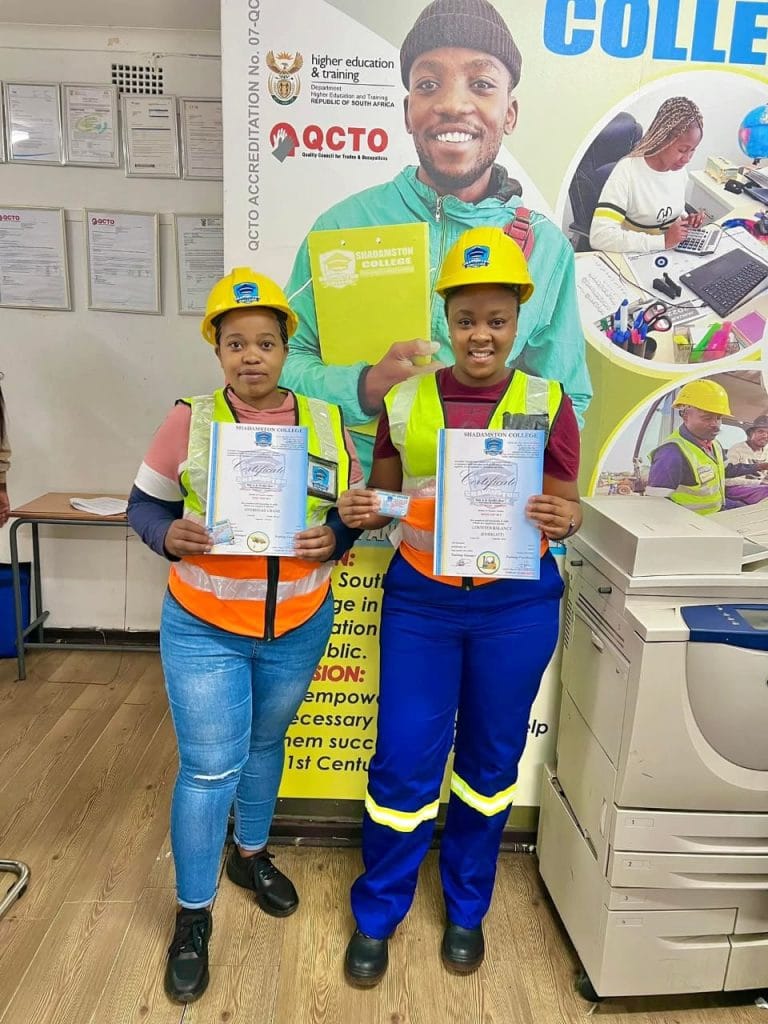
Learners who successfully complete the required training and assessment receive an HIV/AIDS Awareness training certificate confirming completion of the programme. The certificate can be included in a CV as evidence of HIV/AIDS awareness training.
12. What are the requirements for HIV/AIDS Awareness training?
The course is suitable for beginners, employees, supervisors and individuals interested in understanding HIV prevention and awareness. Previous medical or healthcare experience is not required.
Learners should be prepared to:
Participate in theoretical instruction.
Understand basic health and safety principles.
Learn about HIV transmission and prevention.
Participate in awareness discussions.
Complete the required course assessment.

Not Familiar with Johannesburg or Gauteng?
No problem! We offer FREE transport from the following pick-up points to our training centre:
📍 MTN Taxi Rank
📍 Johannesburg Park Station
📍 Germiston Taxi Rank
📍 O.R. Tambo International Airport


Get in Touch with Us, Send us a Email
Employment Opportunities
After successfully completing your Training, you are welcome to submit your CV to cv@ahtrainings.co.za. We are regularly contacted by recruitment agencies and employers seeking qualified and competent candidates, and we may refer suitable candidates when opportunities become available.
Graduates are also encouraged to actively apply for positions through leading online job portals such as Indeed, CareerJunction, LinkedIn, and other recruitment platforms to increase their employment opportunities.
While successful completion of the course enhances your employability, securing employment remains subject to the recruitment process and the requirements of individual employers. Our goal is to help equip you with the skills and qualifications needed to pursue rewarding career opportunities.
Career Opportunities
Completing HIV/AIDS Awareness Training can support learners in developing knowledge and awareness relevant to healthcare support, workplace wellness, community education, and health promotion. Learners may apply their knowledge in roles and activities such as Workplace Wellness Assistant, Health Promotion Assistant, Community Outreach Worker, HIV/AIDS Awareness Educator, Peer Educator, Wellness Programme Assistant, and Community Support Worker, depending on their qualifications and employer requirements. These skills can be applied across sectors such as healthcare, education, community organisations, NGOs, social services, corporate workplaces, mining, manufacturing, transport and logistics, and industrial operations.

On-Site Company Training
We bring the training to you.
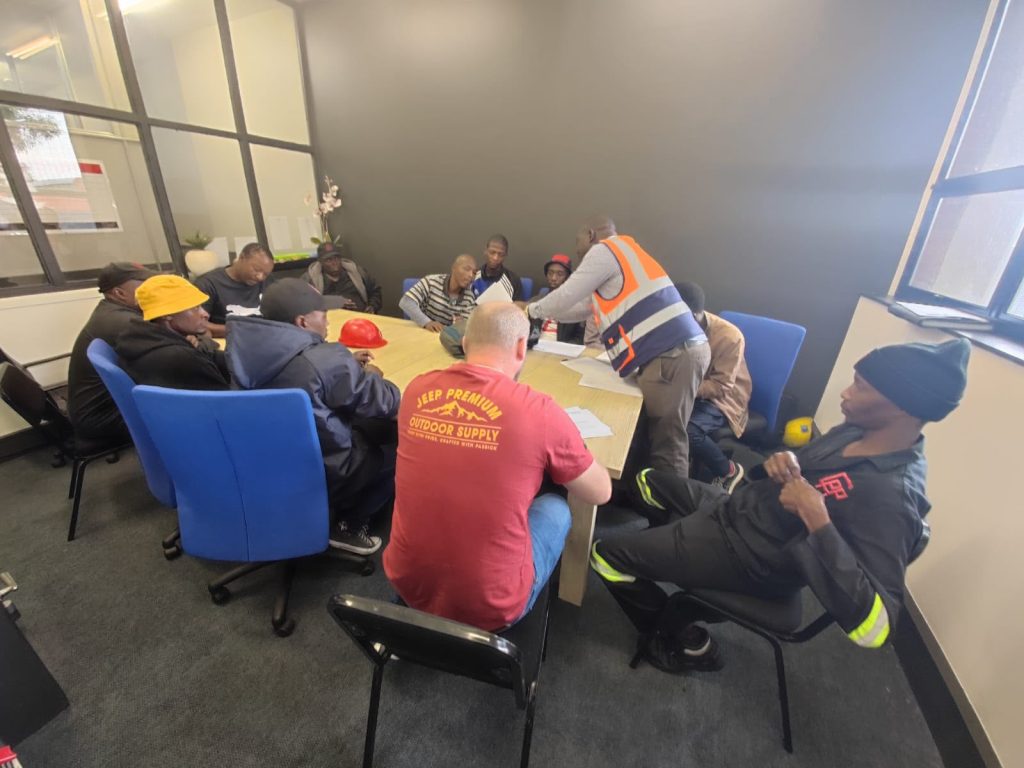
Our team is available to travel to companies across South Africa to provide professional on-site training for your employees.
Whether you need to train a small group or an entire workforce, we deliver the same high standard of practical, industry-focused instruction at your premises. We work with businesses of all sizes and can schedule training at times that suit your operations.
Partner with us to keep your workforce skilled, compliant, and workplace-ready.

EXPLORE OUR COURSES
We offer a wide range of practical training courses designed to help learners develop the skills and knowledge needed for careers in transport, construction, mining, engineering, industrial operations, safety, and skilled trades. Explore our courses below and choose the training programme that best matches your career goals.
HEAVY EQUIPMENT & MACHINERY
Superlink Training · Reach Stacker Training · Forklift Training · 777 Dump Truck Training · ADT Dump Truck Training · Drill Rig Training · LHD Scoop Training · Mobile Crane Training · Excavator Training · TLB Training · Front End Loader Training · Tower Crane Training · Overhead Crane Training · Reach Truck Training · Grader Training · Bulldozer Training · Bobcat Training · Road Roller Training · Truck Mounted Crane Training · Tractor Training · Telehandler Training · Tipper Truck Training · Superlink Reverse Training · Sidetipper Training · Horse and Trailer Training · Order Picker Training · Powered Pallet Truck Training · Cherry Picker Training · Water Cart Training
HEALTH & SAFETY
Hazchem Training · Working at Heights Training · Safety Officer Training · Rigging Training · First Aid Training · Fire Fighter Training . SHE Rep Training . HIV/AIDS Awareness Training . HIRA Training . Legal Liability Training
TECHNICAL TRADES
Plumbing Training · Carpentry Training · Pipe Fitter Training · Boilermaking Training · Electrical Training · Welding Training · Arc Welding Training · Double Coded Welding Training · CO₂ Welding Training · Stick Welding Training · Gas Welding Training · TIG Welding Training · MIG Welding Training · Aluminium Welding Training · Argon Welding Training · Stainless Steel Welding Training . Pipe Welding Training . Cutting Torch Training
HIV/AIDS Awareness Training Fees, Course Prices & Certificate: Learners can contact us for the latest HIV/AIDS Awareness training fees and course prices, Training Academy Cost Price List, including available classes, training requirements, assessment, and certification. The HIV/AIDS Awareness certificate cost may depend on the selected training programme and assessment requirements. Learners can also enquire about HIV/AIDS Awareness certification, HIV/AIDS Awareness courses, HIV/AIDS training classes, workplace HIV/AIDS awareness training, community awareness training, and training availability near you. If you are searching for HIV/AIDS Awareness training near me, HIV/AIDS courses near me, HIV/AIDS Awareness classes near me, workplace HIV/AIDS training near me, HIV/AIDS Awareness certificate near me, or an HIV/AIDS Awareness training school near me, contact us for course availability, fees, certification requirements, and enrolment information