
We are registered with the Department of Higher Education and Training under the Continuing Education and Training Act No. 16 of 2006. DHET Centre Number: 899994812. Further accredited by the Quality Council for Trades and Occupations (QCTO) Accreditation Number: 07-QCTO/SDP110722.
Accredited with CETA ACCREDITATION NO: ACC/23/07/00015 and TETA ACCREDITATION NO: TETA 22-1553 under the Skills Development Act, 97 of 1998. Company Registration Number: 2013/224763/07.
Legal Liability Course
Course Duration: 1 Day
Course Fee: R 2,300 per person
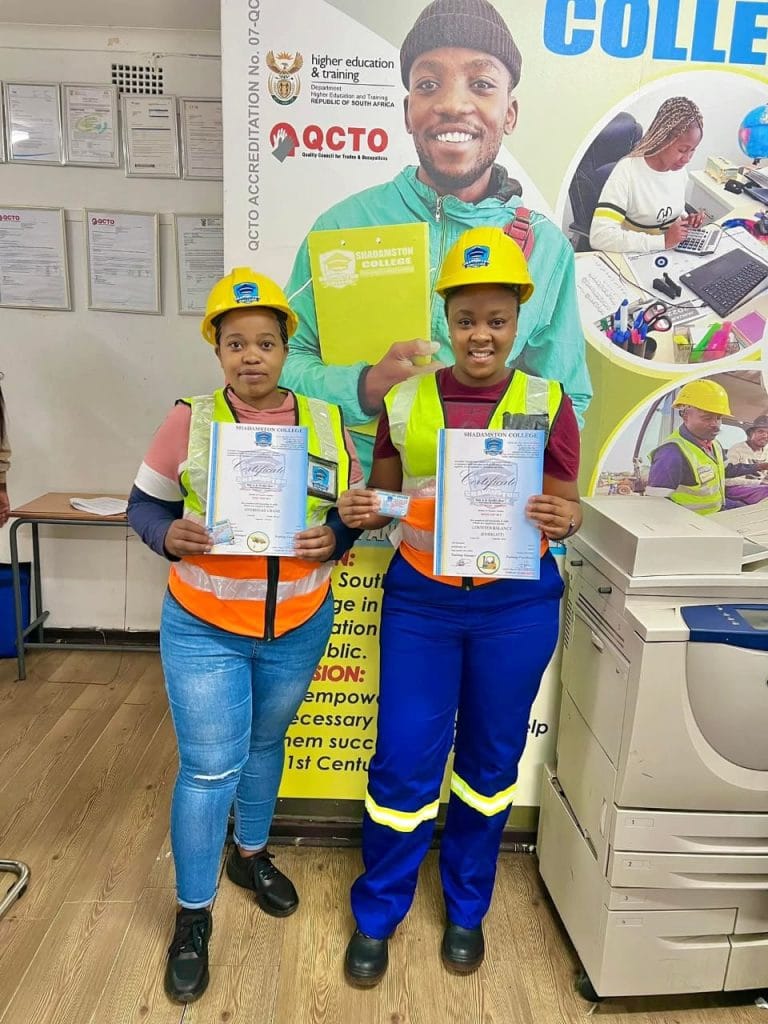
Upon successful completion of the course, learners will receive a certificate.
Our Legal Liability training introduces learners to the legal responsibilities of employers, managers, supervisors and employees in maintaining a safe working environment. The course explains how occupational health and safety legislation applies to workplace activities, the consequences of non-compliance and the importance of preventing incidents through responsible safety management. It is suitable for individuals who want to understand their legal duties and responsibilities in the workplace.
1. How much does a Legal Liability course cost?
Our Legal Liability course costs R2,300 per person and takes 1 day to complete. The training covers occupational health and safety legislation, employer and employee responsibilities, management accountability, workplace compliance and the legal consequences of unsafe practices.
2. What is Legal Liability training?
Legal Liability training explains the legal duties and responsibilities of people who manage, supervise or perform work activities. It focuses on understanding occupational health and safety requirements and how failure to comply with these requirements can result in legal consequences.
Learners develop an understanding of how safety responsibilities apply to workplace decisions, supervision, risk management and incident prevention.
3. What does the Occupational Health and Safety Act cover?
The Occupational Health and Safety Act 85 of 1993 is a key piece of South African legislation governing workplace health and safety. It establishes duties for employers, employees, manufacturers and other parties involved in workplace activities.
The Act addresses matters such as:
Providing and maintaining a working environment that is safe and without risk to employees’ health, as far as reasonably practicable.
Identifying and controlling workplace hazards.
Providing information, instruction, training and supervision.
Ensuring machinery and equipment are used safely.
Reporting certain workplace incidents.
Establishing appropriate health and safety arrangements.
4. What are the legal responsibilities of an employer?
Employers have a legal duty to take reasonably practicable steps to protect employees and other people affected by their work activities.
Responsibilities include:
Providing and maintaining a safe working environment.
Identifying workplace hazards and assessing risks.
Implementing appropriate control measures.
Providing suitable personal protective equipment where required.
Ensuring employees receive relevant safety training and instruction.
Maintaining safe machinery, tools and equipment.
Establishing safe work procedures.
Monitoring workplace health and safety compliance.
5. What are the legal responsibilities of employees?
Employees also have responsibilities under occupational health and safety legislation. They must take reasonable care of their own health and safety and that of others who could be affected by their actions.
Employee responsibilities include:
Following workplace health and safety procedures.
Using machinery and equipment correctly.
Wearing required personal protective equipment.
Reporting unsafe conditions and incidents.
Cooperating with health and safety representatives and supervisors.
Avoiding actions that could endanger themselves or others.
6. What is the legal responsibility of a manager or supervisor?
Managers and supervisors play an important role in implementing workplace safety requirements. Their responsibilities include communicating safety procedures, monitoring employees and ensuring that work activities are carried out safely.
Training introduces learners to responsibilities such as:
Providing appropriate instruction and supervision.
Ensuring employees follow safe work procedures.
Identifying and reporting workplace hazards.
Monitoring the use of protective equipment.
Addressing unsafe practices.
Supporting incident reporting and investigations.
Ensuring relevant safety requirements are followed.
7. What happens when a company fails to comply with health and safety legislation?
Failure to comply with applicable occupational health and safety requirements can result in legal and financial consequences. The nature of the consequences depends on the circumstances, the applicable legal provisions and the seriousness of the contravention.
Possible consequences include:
Prohibition or improvement notices.
Regulatory investigations.
Prosecution.
Fines or other penalties.
Compensation claims.
Civil liability.
Reputational damage.
Operational disruption.
8. What is Section 37 of the Occupational Health and Safety Act?
Section 37 of the Occupational Health and Safety Act addresses certain acts or omissions by employees or mandataries and the circumstances in which employers or users can be held responsible.
It also provides for written agreements in certain arrangements involving contractors or mandataries, setting out responsibilities for compliance with relevant health and safety requirements.
Understanding Section 37 helps employers and managers recognise the importance of clear responsibilities, contractor management and workplace safety arrangements.
9. What is the difference between criminal and civil liability?
Criminal liability relates to conduct that constitutes an offence under applicable legislation. It can result in prosecution and penalties imposed through the criminal justice system.
Civil liability generally involves legal responsibility for harm or loss suffered by another party. It can result in claims for compensation or damages where the legal requirements for liability are established.
The distinction is important because a workplace incident can give rise to different types of legal proceedings.
10. Who should attend Legal Liability training?
The course is suitable for individuals who have workplace responsibilities involving employee supervision, safety management or operational decisions.
It is particularly relevant to:
Business owners and employers.
Directors and managers.
Supervisors and team leaders.
Health and safety officers.
Health and safety representatives.
Construction and site managers.
Operations managers.
Individuals responsible for workplace compliance.
11. Do you receive a Legal Liability certificate after training?
Learners who successfully complete the required training and assessment receive a Legal Liability training certificate confirming completion of the programme. The certificate can be included in a CV as evidence of Legal Liability training.
12. What are the requirements for Legal Liability training?
The course is suitable for beginners, supervisors, managers and individuals interested in understanding workplace legal responsibilities. Previous legal or occupational health and safety experience is not essential.
Learners should be prepared to:
Participate in theoretical instruction.
Understand basic workplace safety principles.
Learn about relevant occupational health and safety legislation.
Understand employer, employee and management responsibilities.
Complete the required course assessment.

Not Familiar with Johannesburg or Gauteng?
No problem! We offer FREE transport from the following pick-up points to our training centre:
📍 MTN Taxi Rank
📍 Johannesburg Park Station
📍 Germiston Taxi Rank
📍 O.R. Tambo International Airport



Get in Touch with Us, Send us a Email
Employment Opportunities
After successfully completing your Training, you are welcome to submit your CV to cv@ahtrainings.co.za. We are regularly contacted by recruitment agencies and employers seeking qualified and competent candidates, and we may refer suitable candidates when opportunities become available.
Graduates are also encouraged to actively apply for positions through leading online job portals such as Indeed, CareerJunction, LinkedIn, and other recruitment platforms to increase their employment opportunities.
While successful completion of the course enhances your employability, securing employment remains subject to the recruitment process and the requirements of individual employers. Our goal is to help equip you with the skills and qualifications needed to pursue rewarding career opportunities.
Career Opportunities
Completing Legal Liability Training can help learners develop knowledge and skills relevant to workplace legal responsibilities, health and safety compliance, accountability, and liability prevention. Learners may apply their knowledge in roles and activities such as Health and Safety Assistant, Safety Representative, OHS Assistant, Site Safety Assistant, Workplace Safety Coordinator, Compliance Assistant, and Safety Supervisor, depending on their qualifications, experience, and employer requirements. These skills can be applied across sectors such as construction, mining, manufacturing, warehousing, transport and logistics, engineering, healthcare, agriculture, energy, and industrial operations.

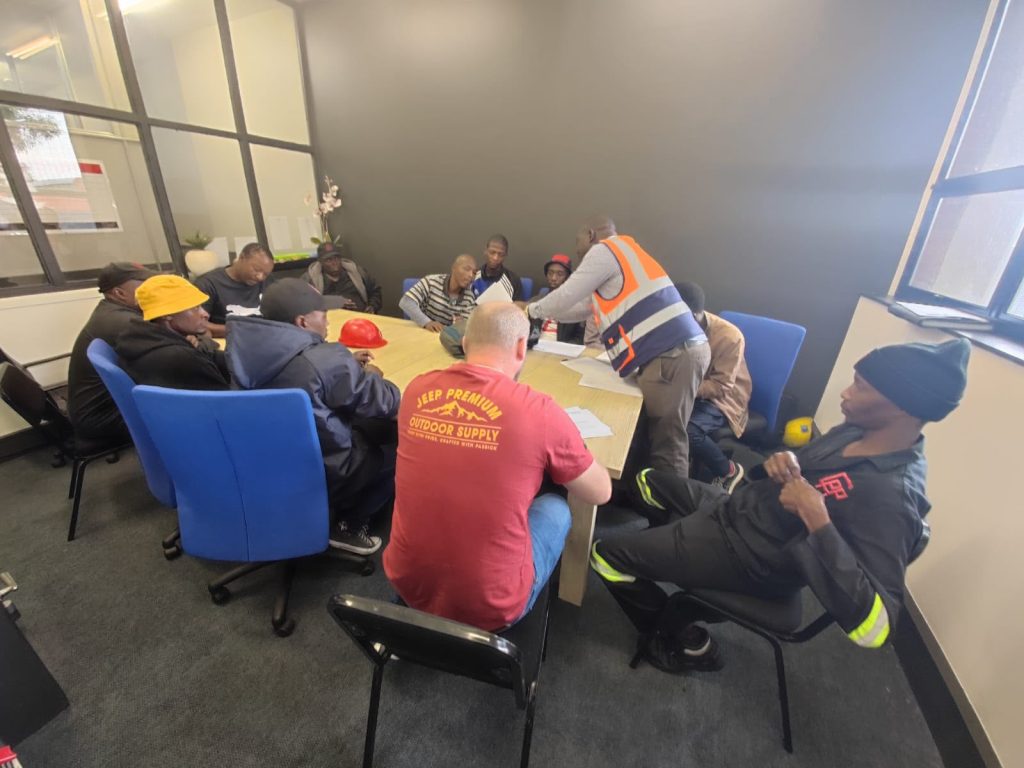
On-Site Company Training
We bring the training to you.
Our team is available to travel to companies across South Africa to provide professional on-site training for your employees.
Whether you need to train a small group or an entire workforce, we deliver the same high standard of practical, industry-focused instruction at your premises. We work with businesses of all sizes and can schedule training at times that suit your operations.
Partner with us to keep your workforce skilled, compliant, and workplace-ready.
EXPLORE OUR COURSES
We offer a wide range of practical training courses designed to help learners develop the skills and knowledge needed for careers in transport, construction, mining, engineering, industrial operations, safety, and skilled trades. Explore our courses below and choose the training programme that best matches your career goals.
HEAVY EQUIPMENT & MACHINERY
Superlink Training · Reach Stacker Training · Forklift Training · 777 Dump Truck Training · ADT Dump Truck Training · Drill Rig Training · LHD Scoop Training · Mobile Crane Training · Excavator Training · TLB Training · Front End Loader Training · Tower Crane Training · Overhead Crane Training · Reach Truck Training · Grader Training · Bulldozer Training · Bobcat Training · Road Roller Training · Truck Mounted Crane Training · Tractor Training · Telehandler Training · Tipper Truck Training · Superlink Reverse Training · Sidetipper Training · Horse and Trailer Training · Order Picker Training · Powered Pallet Truck Training · Cherry Picker Training · Water Cart Training
HEALTH & SAFETY
Hazchem Training · Working at Heights Training · Safety Officer Training · Rigging Training · First Aid Training · Fire Fighter Training . SHE Rep Training . HIV/AIDS Awareness Training . HIRA Training . Legal Liability Training
TECHNICAL TRADES
Plumbing Training · Carpentry Training · Pipe Fitter Training · Boilermaking Training · Electrical Training · Welding Training · Arc Welding Training · Double Coded Welding Training · CO₂ Welding Training · Stick Welding Training · Gas Welding Training · TIG Welding Training · MIG Welding Training · Aluminium Welding Training · Argon Welding Training · Stainless Steel Welding Training . Pipe Welding Training . Cutting Torch Training
Legal Liability Training Fees, Course Prices & Certificate: Learners can contact us for the latest Legal Liability Training fees and course prices, Training Academy Cost Price List, including available classes, training requirements, assessment, and certification. The Legal Liability certificate cost may depend on the selected training programme and assessment requirements. Learners can also enquire about Legal Liability certification, legal liability courses, workplace legal responsibilities training, occupational health and safety legal compliance training, workplace safety legislation training, and training availability near you. If you are searching for Legal Liability Training near me, legal compliance training near me, workplace legal responsibilities training near me, Legal Liability courses near me, Legal Liability classes near me, OHS legal training near me, Legal Liability certificate near me, or a Legal Liability training school near me, contact us for course availability, fees, certification requirements, and enrolment information