
We are registered with the Department of Higher Education and Training under the Continuing Education and Training Act No. 16 of 2006. DHET Centre Number: 899994812. Further accredited by the Quality Council for Trades and Occupations (QCTO) Accreditation Number: 07-QCTO/SDP110722.
Accredited with CETA ACCREDITATION NO: ACC/23/07/00015 and TETA ACCREDITATION NO: TETA 22-1553 under the Skills Development Act, 97 of 1998. Company Registration Number: 2013/224763/07.
Fall Protection (Working at Heights) Course
Unit Standard Number: 229995
Unit Standard Credits: 3
NQF Level: 2
Course Duration: 1 Day
Course Fee: R 2,300 per person
Upon successful completion of the course, learners will receive a certificate.


Fall Protection (Working at Heights) training is important for individuals who carry out tasks in elevated work environments, including rooftops, scaffolding, ladders, raised platforms, industrial structures and other high-level work areas. Working at heights involves potential fall risks that can lead to serious workplace accidents, injuries or loss of life. Proper training equips workers with the knowledge to recognise these hazards, assess risks and apply appropriate safety measures.
Our Fall Protection (Working at Heights) course covers fall prevention, hazard identification, risk assessment, fall protection equipment, personal protective equipment (PPE) and safe working procedures. The training is suitable for beginners and employees working in construction, mining, engineering, maintenance, telecommunications and other industries where tasks are performed at elevated positions.
How much does Fall Protection (Working at Heights) training cost?
Our Fall Protection (Working at Heights) training course costs R2,300 per person and takes 1 day to complete. The course introduces learners to essential safety principles and procedures for carrying out tasks in elevated work areas.
Training covers fall prevention, workplace hazard identification, risk assessment, fall protection equipment, safe access procedures and emergency arrangements. Learners also develop an understanding of their responsibilities when working at heights and the importance of following occupational health and safety procedures.
What is Fall Protection (Working at Heights) training?
Fall Protection (Working at Heights) training is a safety course that teaches individuals how to recognise, assess and control the dangers associated with working above ground level. It focuses on preventing falls and understanding the protective equipment, systems and procedures used to reduce workplace accidents.
Working at heights includes activities performed on roofs, ladders, scaffolding, elevated platforms, structural frameworks and other raised surfaces where a person could fall and sustain an injury.
The training introduces important principles such as:
Recognising tasks and work areas that involve elevated activities.
Identifying potential fall hazards before starting work.
Understanding workplace risk assessments and safety planning.
Knowing the differences between fall prevention, fall restraint and fall arrest.
Understanding the selection and use of suitable fall protection equipment.
Recognising unsafe access equipment and working conditions.
Understanding emergency procedures and fall rescue arrangements.
Following workplace health and safety responsibilities.
The aim is to help workers understand how to approach elevated tasks safely and minimise the possibility of falls.
Who needs Fall Protection (Working at Heights) training?
Fall Protection (Working at Heights) training is relevant to employees whose duties involve working in elevated areas or locations where falling could result in injury. It is particularly useful in industries where workers regularly access roofs, structures, platforms, towers and elevated equipment.
The course is suitable for:
Construction workers: Employees involved in building, roofing, structural work and other elevated construction activities.
Roofers: Workers who install, repair or maintain roofs and roof structures.
Scaffolders: Employees involved in assembling, inspecting or working on scaffolding systems.
Electricians: Workers who access elevated areas to install, inspect and maintain electrical systems.
Maintenance workers: Employees responsible for repairs and maintenance on buildings, machinery and industrial structures.
Painters: Workers who paint elevated walls, ceilings, structures and industrial surfaces.
Telecommunications technicians: Employees who work on communication towers and elevated installations.
Mining personnel: Workers who perform maintenance, inspections and other tasks at elevated positions.
Industrial workers: Employees who access elevated platforms, equipment and structures.
Engineering personnel: Workers involved in inspecting, installing and maintaining industrial structures and equipment.
The course is also relevant to supervisors and team leaders responsible for overseeing employees who perform work at heights.
Is Fall Protection (Working at Heights) training difficult?
Fall Protection (Working at Heights) training is suitable for beginners and individuals who want to understand the safety requirements associated with elevated work. The course introduces learners to the subject step by step, covering basic concepts before progressing to fall hazards, risk assessments, protective equipment and safe working procedures.
Understanding working at heights requires awareness, concentration and the ability to recognise potentially dangerous situations. Learners are introduced to important safety considerations, including:
Identifying unprotected edges, openings and fragile surfaces.
Recognising unsafe ladders, scaffolding and elevated platforms.
Understanding how weather conditions can affect elevated work.
Knowing when fall protection equipment is necessary.
Understanding the importance of secure anchorage points.
Recognising damaged or unsuitable safety equipment.
Following instructions and workplace safety procedures.
Understanding how to respond during an emergency.
The training helps learners develop a safety-conscious approach to elevated work and understand how to reduce the risks associated with falls.
What does a Fall Protection (Working at Heights) course cover?
Our Fall Protection (Working at Heights) course introduces learners to the essential knowledge, safety principles and procedures associated with elevated work. The training focuses on recognising hazards, preventing falls and understanding suitable protective measures.
Training covers the following topics:
Introduction to working at heights: Understanding elevated work activities, common working environments and employee responsibilities.
Fall hazards: Identifying situations that can cause falls, including unprotected edges, openings, unstable surfaces and unsafe access arrangements.
Risk assessment: Understanding how to identify hazards, evaluate potential risks and establish appropriate control measures before work begins.
Fall prevention: Learning about guardrails, barriers, secure platforms and safe access arrangements that help prevent falls.
Fall restraint systems: Understanding systems designed to prevent workers from reaching areas where they could fall.
Fall arrest systems: Learning the purpose of systems designed to arrest a fall when prevention is not sufficient.
Personal protective equipment: Understanding the selection and use of safety harnesses, lanyards, connectors and other protective equipment.
Anchorage points: Learning about suitable anchorage arrangements and their importance in fall protection systems.
Safe access and work positioning: Understanding safe procedures for accessing and working on elevated structures, platforms and other raised surfaces.
Ladders and scaffolding: Recognising common hazards and important safety considerations when using access equipment.
Fragile surfaces: Understanding the dangers associated with roof sheets, skylights and surfaces that cannot safely support a person’s weight.
Falling objects: Learning about the risks associated with tools, materials and equipment falling from elevated work areas.
Weather conditions: Understanding how wind, rain, poor visibility and other environmental conditions can affect working at heights.
Emergency and rescue procedures: Understanding emergency planning, communication and arrangements for rescuing a worker after a fall.
Health and safety responsibilities: Learning about workplace safety rules, employee responsibilities and the importance of following established procedures.
These topics help learners understand the safety requirements involved in planning and performing tasks at elevated positions.
What safety equipment is used when working at heights?
Suitable safety equipment is essential for protecting workers from falls and other hazards associated with elevated activities. Equipment selection depends on the task, working environment, potential hazards and the fall protection system being used.
Common working at heights equipment includes:
Full-body safety harness: A harness designed to distribute forces across the body when used as part of a suitable fall protection system.
Safety lanyard: A connecting component used between a harness and an appropriate anchorage or fall protection system.
Shock absorber: A component designed to reduce the forces transmitted to a worker during a fall arrest.
Self-retracting lifeline: A device that allows movement while providing a means of arresting a fall when used correctly.
Vertical and horizontal lifelines: Systems that provide suitable attachment arrangements for workers moving along elevated work areas.
Anchorage points: Secure attachment points designed for connection to compatible fall protection equipment.
Connectors and carabiners: Components used to connect compatible parts of a fall protection system.
Safety helmets: Protective headgear used to reduce the risk of head injuries.
Safety footwear: Foot protection that provides grip and helps reduce slipping hazards.
Guardrails and barriers: Physical protection used to prevent workers from reaching exposed edges.
Safety nets: Protective systems designed to catch workers or falling objects in suitable applications.
Workers must understand that fall protection equipment needs to be appropriate for the task, inspected before use and operated according to the manufacturer’s instructions. A safety harness alone does not provide complete fall protection without a suitable, properly designed system.
What are the risks and hazards of working at heights?
Working at heights presents serious safety risks because a loss of balance, equipment failure or unsafe working condition can result in a fall. Even falls from relatively low elevations can cause significant injuries.
Common hazards include:
Falls from elevated surfaces: Falling from roofs, ladders, scaffolding, platforms and structural frameworks.
Unprotected edges: Working close to open edges without suitable barriers or fall protection.
Fragile roofing: Falling through skylights, roof sheets and surfaces that cannot support a person’s weight.
Unsafe access equipment: Using damaged, incorrectly positioned or unsuitable ladders and scaffolding.
Incorrect equipment use: Using harnesses, lanyards and connectors incorrectly or selecting unsuitable fall protection equipment.
Falling objects: Tools, building materials and equipment dropping from elevated work areas and injuring people below.
Poor weather conditions: Strong winds, rain and slippery surfaces increasing the likelihood of accidents.
Electrical hazards: Working near overhead power lines or electrical installations.
Poor housekeeping: Loose materials, cables and obstructions creating trip and fall hazards.
Inadequate rescue arrangements: Not having suitable emergency procedures or rescue plans in place.
Training helps workers recognise these dangers, understand the importance of risk assessments and follow appropriate control measures before performing elevated tasks.
Where can someone with Fall Protection (Working at Heights) training work?
Fall protection knowledge is valuable across several industries because elevated tasks are common in construction, maintenance, mining, engineering and infrastructure operations.
Relevant workplaces include:
Construction sites: Building projects involving roofs, scaffolding, structural frameworks and elevated platforms.
Mining operations: Mine infrastructure, processing plants and industrial maintenance areas.
Industrial facilities: Factories, production plants and facilities with elevated machinery and structures.
Warehouses: Facilities where employees access high-level storage systems, elevated platforms and building structures.
Telecommunications companies: Tower installations, communication structures and equipment maintenance.
Electrical contractors: Electrical installation and maintenance projects involving elevated work areas.
Roofing businesses: Roof installation, repairs, inspections and maintenance.
Engineering companies: Structural installations, inspections and industrial maintenance.
Power and utility facilities: Infrastructure maintenance and inspections involving elevated structures.
Property maintenance companies: Commercial and residential building repairs, painting and maintenance.
What career opportunities are available after Fall Protection (Working at Heights) training?
Fall Protection (Working at Heights) training provides important safety knowledge for individuals pursuing employment in industries where elevated work is performed. It is also valuable for existing employees who need to understand fall prevention and workplace safety procedures.
Related occupations include:
Construction worker.
Roofing assistant.
Scaffolding assistant.
Maintenance worker.
Industrial maintenance assistant.
Electrical assistant.
Telecommunications technician.
Building maintenance worker.
Engineering assistant.
Industrial installation worker.
Infrastructure maintenance worker.
Height-access support worker.
The training can also complement other occupational skills, including welding, electrical installation, construction, painting, scaffolding and industrial maintenance.
Can I get a Fall Protection (Working at Heights) certificate after training?
Yes. Learners who successfully complete the required course assessments receive a Fall Protection (Working at Heights) training certificate. The certificate provides documentation of the training completed and can be included in a CV or presented to an employer as evidence of training.
The course certificate demonstrates that the learner has received training in important working at heights topics, including:
Fall prevention and protection.
Hazard identification and risk awareness.
Safe working procedures.
Personal protective equipment.
Fall protection systems.
Emergency and rescue arrangements.
Workplace health and safety responsibilities.
Employers can use training records when assessing whether employees have received relevant safety instruction. Site-specific induction, additional competency assessments or other workplace authorisations can also be required for particular tasks.
What does a Fall Protection (Working at Heights) certificate qualify you to do?
A Fall Protection (Working at Heights) certificate provides evidence that an individual has completed training covering the safety principles and procedures associated with elevated work.
It supports an understanding of how to identify fall hazards, recognise unsafe conditions, use appropriate fall protection equipment and follow workplace safety procedures.
The training is relevant to employees who perform tasks such as:
Working on roofs and elevated building structures.
Accessing scaffolding and elevated platforms.
Performing maintenance on industrial structures.
Working around exposed edges and elevated openings.
Carrying out inspections and repairs at raised positions.
Performing construction and installation work at heights.
The certificate documents the training completed. Employers remain responsible for ensuring that workers have the appropriate task-specific competence, equipment and authorisation before carrying out elevated tasks.
What are the requirements for Fall Protection (Working at Heights) training?
Our Fall Protection (Working at Heights) training course is suitable for beginners and employees who want to improve their understanding of workplace safety when performing elevated tasks. Previous working at heights training is not required for introductory training.
Learners should:
Have basic reading and communication skills.
Be able to understand and follow safety instructions.
Have an interest in occupational health and safety.
Be willing to participate in the training.
Understand the importance of hazard identification and risk awareness.
Be able to follow workplace procedures.
Complete the required course assessments.
The training provides a foundation for understanding the safety responsibilities involved in working at heights and helps learners recognise the importance of preventing falls in the workplace.

Not Familiar with Johannesburg or Gauteng?
No problem! We offer FREE transport from the following pick-up points to our training centre:
📍 MTN Taxi Rank
📍 Johannesburg Park Station
📍 Germiston Taxi Rank
📍 O.R. Tambo International Airport

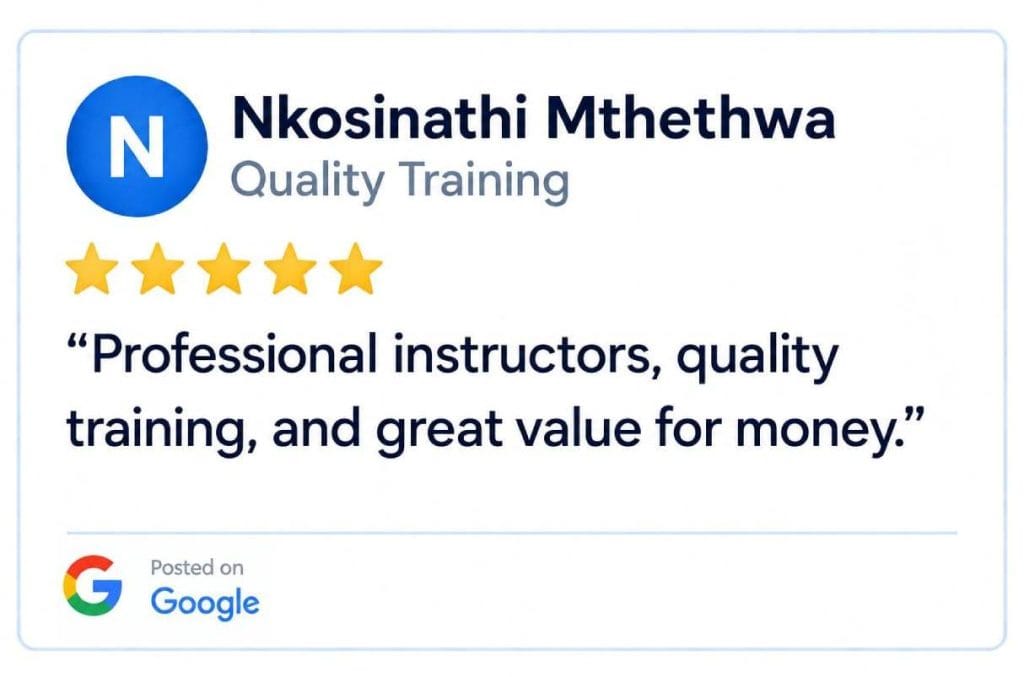
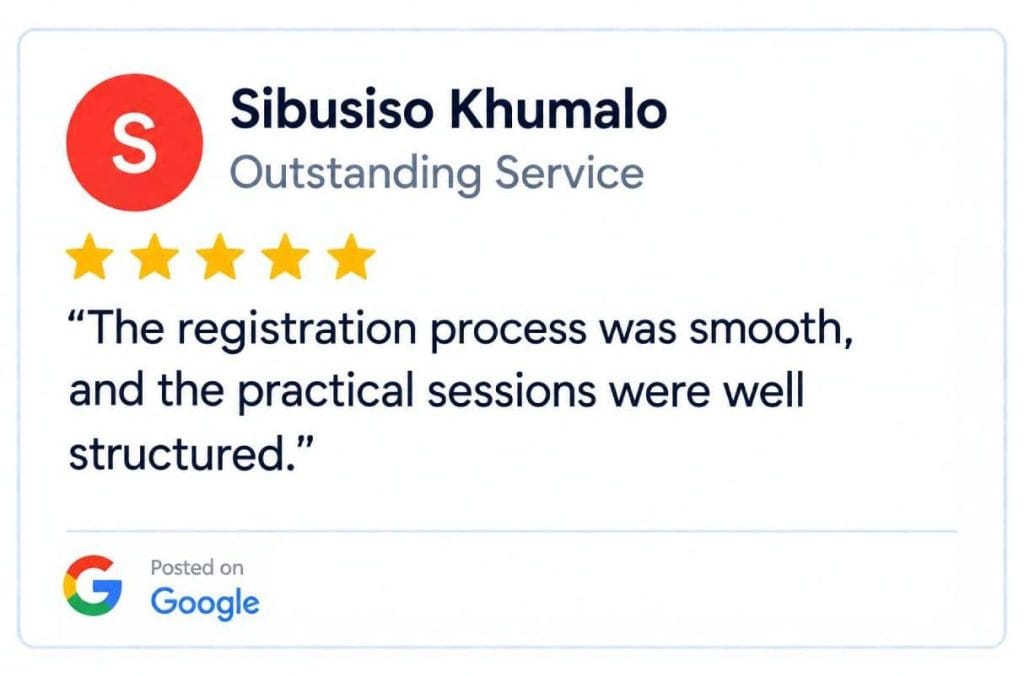



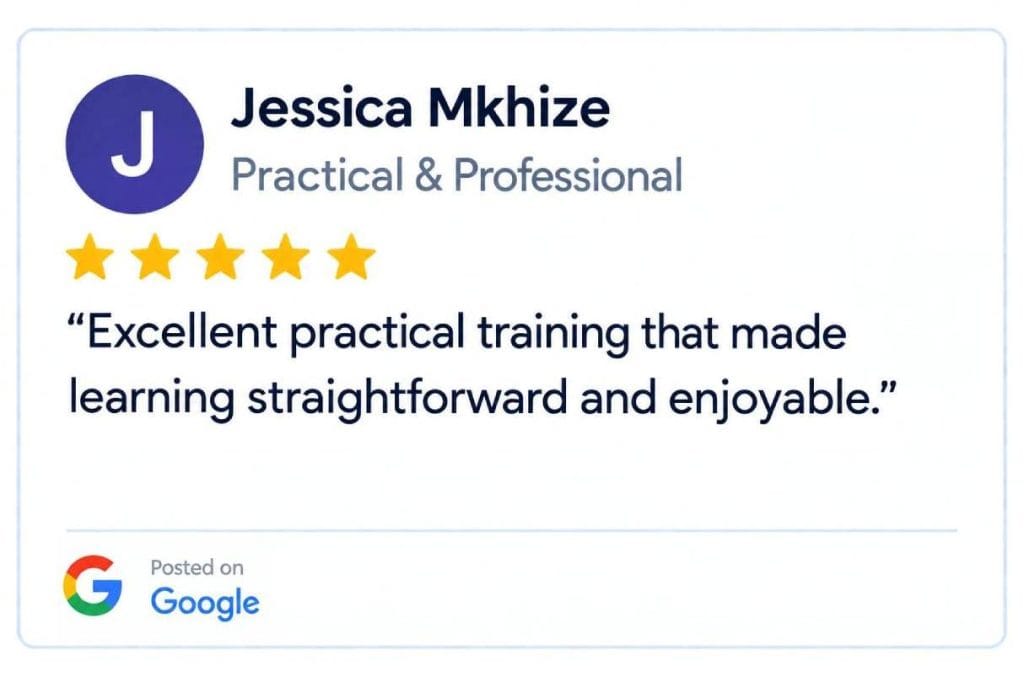


Get in Touch with Us, Send us a Email
Employment Opportunities
After successfully completing your Training, you are welcome to submit your CV to cv@ahtrainings.co.za. We are regularly contacted by recruitment agencies and employers seeking qualified and competent candidates, and we may refer suitable candidates when opportunities become available.
Graduates are also encouraged to actively apply for positions through leading online job portals such as Indeed, CareerJunction, LinkedIn, and other recruitment platforms to increase their employment opportunities.
While successful completion of the course enhances your employability, securing employment remains subject to the recruitment process and the requirements of individual employers. Our goal is to help equip you with the skills and qualifications needed to pursue rewarding career opportunities.
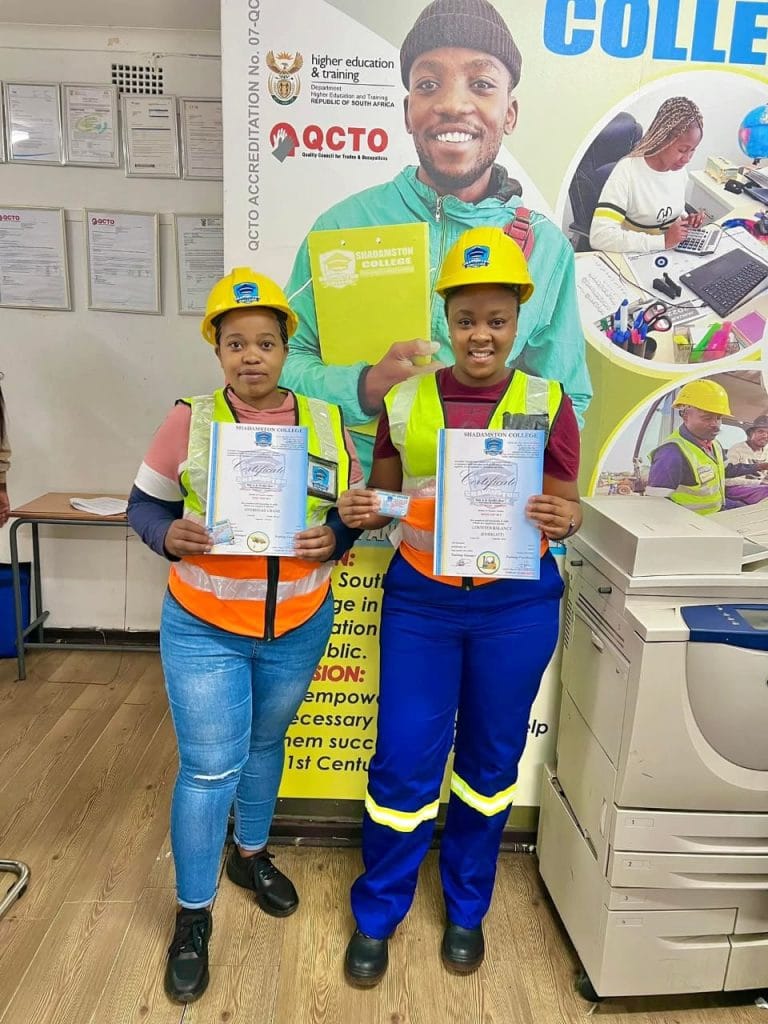
Career Opportunities
Completing Working at Heights / Fall Arrest Training can prepare learners for employment opportunities as a Working at Heights Worker, Fall Protection Worker, Height Safety Technician, Roofer, Construction Worker, Maintenance Worker, Installation Technician, Telecommunications Worker, and Industrial Worker.
Workers with working-at-heights and fall-arrest training can find opportunities in industries such as construction, roofing, maintenance, engineering, telecommunications, industrial operations, infrastructure, installation, and building services.


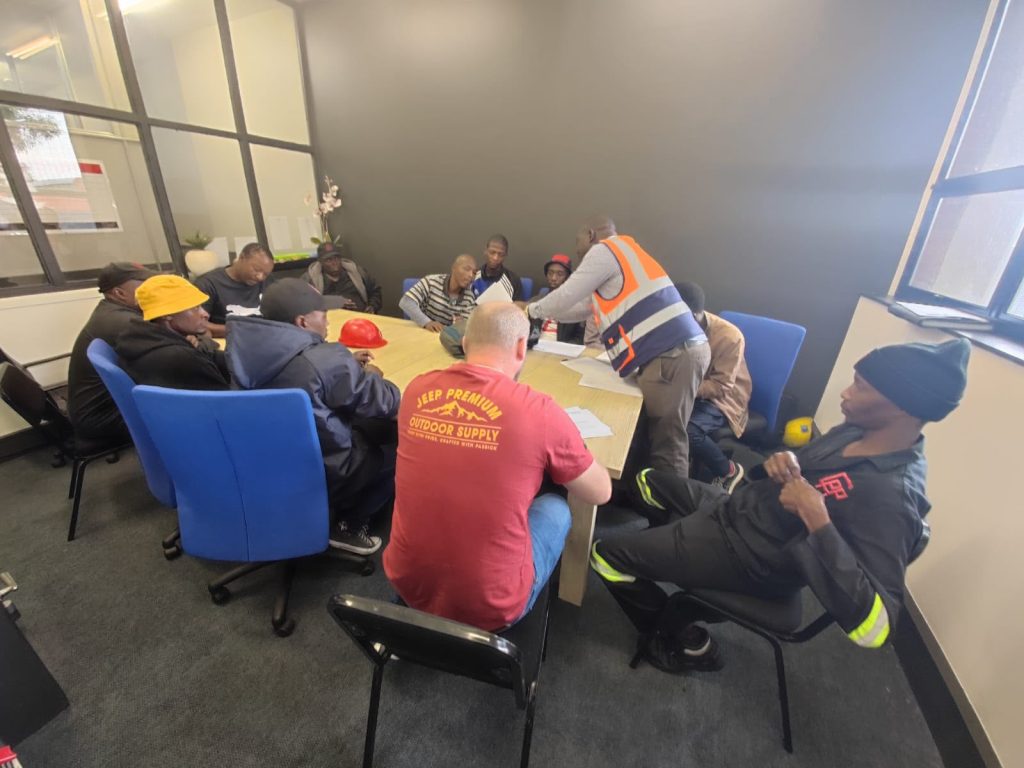
On-Site Company Training
We bring the training to you.
Our team is available to travel to companies across South Africa to provide professional on-site training for your employees.
Whether you need to train a small group or an entire workforce, we deliver the same high standard of practical, industry-focused instruction at your premises. We work with businesses of all sizes and can schedule training at times that suit your operations.
Partner with us to keep your workforce skilled, compliant, and workplace-ready.


EXPLORE OUR COURSES
We offer a wide range of practical training courses designed to help learners develop the skills and knowledge needed for careers in transport, construction, mining, engineering, industrial operations, safety, and skilled trades. Explore our courses below and choose the training programme that best matches your career goals.
TECHNICAL TRADES
Plumbing Training · Carpentry Training · Pipe Fitter Training · Boilermaking Training · Electrical Training · Welding Training · Arc Welding Training · Double Coded Welding Training · CO₂ Welding Training · Stick Welding Training · Gas Welding Training · TIG Welding Training · MIG Welding Training · Aluminium Welding Training · Argon Welding Training · Stainless Steel Welding Training · Pipe Welding Training · Cutting Torch Training · Coded Welding Training · Rigger Training
HEALTH & SAFETY
Hazchem Training · Working at Heights Training · Safety Officer Training · Rigging Training · First Aid Training · Fire Fighter Training · SHE Rep Training · HIV/AIDS Awareness Training · HIRA Training · Legal Liability Training · Evacuation Planning Training · Incident Investigation Course Training · Stacking and Storage Training · Confined Space Training · Scaffolding Training · Fall Protection Training
HEAVY EQUIPMENT & MACHINERY
Superlink Training · Reach Stacker Training · Forklift Training · 777 Dump Truck Training · ADT Dump Truck Training · Drill Rig Training · LHD Scoop Training · Mobile Crane Training · Excavator Training · TLB Training · Front End Loader Training · Tower Crane Training · Overhead Crane Training · Reach Truck Training · Grader Training · Bulldozer Training · Bobcat Training · Road Roller Training · Truck Mounted Crane Training · Tractor Training · Telehandler Training · Tipper Truck Training · Superlink Reverse Training · Sidetipper Training · Horse and Trailer Training · Order Picker Training · Powered Pallet Truck Training · Cherry Picker Training · Water Cart Training · Cranes Training
Working at Heights / Fall Arrest Training Fees, Course Prices & Certificate: Learners can contact us for the latest Working at Heights and Fall Arrest training fees and course prices, Training Academy Cost Price List including available classes, training requirements, assessment, and certification. The Working at Heights / Fall Arrest certificate cost may depend on the selected training programme and assessment requirements. Learners can also enquire about Working at Heights certification, Fall Arrest certification, Working at Heights courses, Fall Arrest courses, Working at Heights classes, Fall Arrest classes, and training availability near you. If you are searching for Working at Heights training near me, Fall Arrest training near me, Working at Heights courses near me, Fall Arrest courses near me, Working at Heights classes near me, Fall Arrest classes near me, or a Working at Heights / Fall Arrest training school near me, contact us for course availability, fees, and enrolment information
777 Dump Truck Training Costs Fees Courses Pricelist 777 Dump Truck Training Course Prices ADT Dump Truck Training Costs Fees Courses Pricelist ADT Dump Truck Training Course Prices Aluminium Welding Training Courses Costs Fees Pricelist Arc Welding Courses Costs Fees Training Pricelist Argon Welding Courses Costs Fees Training Pricelist Bobcat Training Costs Fees Courses Pricelist Bobcat Training Courses Prices Boilermaker Certificate Price Boilermaker Course Fees Boilermaker Courses Costs Fees Training Pricelist Boilermaker Short Course Price in South Africa Bulldozer Training Costs Fees Courses Pricelist Bulldozer Training Course Prices Cabinet Making Courses Near Me Carpenter Carpentry Certificate in South Africa Carpentry Courses Prices Near Me Carpentry Courses Costs Fees Training Pricelist Carpentry Training School Near Me Cupboard building Installation Near Me Code14 Superlink Training Certificate Co2 Welding Courses Costs Fees Training Pricelist Cherry Picker Training Course Prices Cherry Picker Training Costs Fees Courses Pricelist Electrician Course Prices Electrical Courses Prices Electrical Courses Costs Fees Training Pricelist Drill rig Training Course Prices Drill rig Training Costs Fees Courses Pricelist Drill rig Operator Course Training Dangerous Goods Hazchem Training Course Prices Dangerous Goods Hazchem Certificate Prices Excavator Training Course Prices Excavator Training Costs Fees Courses Pricelist Evacuation Planning Training Costs Fees Courses Pricelist First Aid Training Costs Fees Courses Pricelist First Aid Courses Prices Fire Fighting Training Costs Fees Courses Pricelist Fire Fighting Courses Prices Flux Cored Fcaw Welding Courses Costs Fees Training Pricelist Fluxcore Welding Courses Front End Loader Training Course Prices Front End Loader Training Costs Fees Courses Pricelist Forklift Course Prices Forklift Training Certificate Licence in South Africa Forklift Licence Requirement South Africa Forklift Counterbalance Training Costs Fees Courses PriceList Hazchem Dangerous Goods Training Costs Fees Courses Pricelist HIRA Training Costs Fees Courses Pricelist Grader Training Course Prices Grader Training Costs Fees Courses Pricelist Furniture Making Courses Near Me Mobile Crane Training Course Prices Mobile Crane Training Costs Fees Courses Pricelist Lhd Scoop Training Course Prices Lhd Scoop Training Costs Fees Courses Pricelist Legal Liability Training Costs Fees Courses Pricelist Incident Investigation Training Costs Fees Courses Pricelist Horse Trailer Truck Prices Hiv Aids Awareness Training Costs Fees Courses Pricelist Pipe Fitting Course Requirements Pipe Fitter Fitting Courses Costs Fees Training Pricelist Pipe Fitter Fitting Course Price Oxy Cutting Torch Training Pricelist Overhead Crane Training Course Prices Overhead Crane Training Csts Fees Courses Pricelist Order Picker Training Course Prices Order Picker Training Costs Fees Courses Pricelist Reach Stacker Training Costs Fees Courses Pricelist Price list Powered Pallet Truck Training Course Prices Powered Pallet Truck Training Costs Fees Courses Pricelist Plumbing Short Courses Near Me Plumbing Courses Prices Plumbing Courses Costs Fees Training Pricelist Plumbing Certificate Cost Rigger Training Academy Rigger Rigging Courses Costs Fees Training Pricelist Rigger Course Price Reach Truck Training Course Prices Reach Truck Training Costs Fees Courses Pricelists Reach Stacker Training Course Prices Stainless Steel Welding Courses Costs Fees Training Pricelist Stacking Storage Training Costs Fees Courses Pricelist SHE Rep Training Costs Fees Courses Pricelist Safety Officer Course Price Roller Training Course Prices Roller Training Costs Fees Courses Pricelist Tractor Training Costs Fees Courses Pricelist Tower Crane Training Course Prices Tower Crane Training Costs Fees Courses Pricelist TLB Training Course Prices TLB Training Costs Fees Courses Pricelist Tipper Truck Training Course Prices Tipper Truck Training Costs Fees Courses Pricelist Tekehandler Training Course Prices Telehandler Training Costs Fees Courses Pricelist Superlink Training Costs Fees Courses Pricelist Working at Heights Training Costs Fees Courses Pricelist Working at Heights Course Training Prices Woodwork Courses Near Me Welding Courses Prices Near Me Welding Courses Costs Fees Training Pricelist WaterCartPricelist Water Cart Training Course Prices Truck Mounted Crane Training Course Prices Truck Mounted Crane Training Costs Fees Courses Pricelist Tractor Training Course Prices Cranes Training Costs Fees Courses Pricelist Fall Protection Training Costs Fees Courses Pricelist Gas Training Costs Fees Courses Pricelist Confined Space Training Costs Fees Courses Pricelist Erector Inspector Scaffolding Training Costs Fees Courses Pricelist